Seattle homeowners near Capitol Hill call Greener Cleaner when something is wrong with the line that feeds their home, because we find the exact failure point first instead of digging up half the yard hoping to hit it.
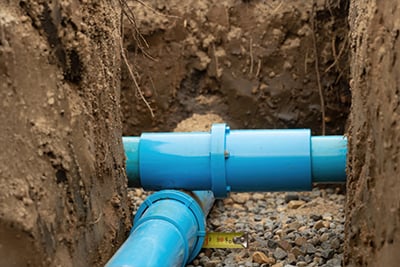 Replacing a service line is a major project, so we take the assessment seriously: pressure test, leak location, pipe material, depth, and route. Our Seattle team (Plumbing Lic. GREENCH741OS, HVAC Lic. GREENCH769NG) puts the findings and the repair options, including trenchless where it applies, in writing before work begins.
Low pressure or a wet patch in the yard? Find the real cause before anyone digs
A water line that has frozen, shifted, or been damaged by tree roots or digging usually announces itself quickly with low pressure or no water at all. In Seattle, where a mix of century-old homes, mid-century bungalows, and dense new construction is common, winter cold snaps near Capitol Hill and nearby construction both put buried lines at risk, and an early call limits how much water is lost and how much ground has to be opened.
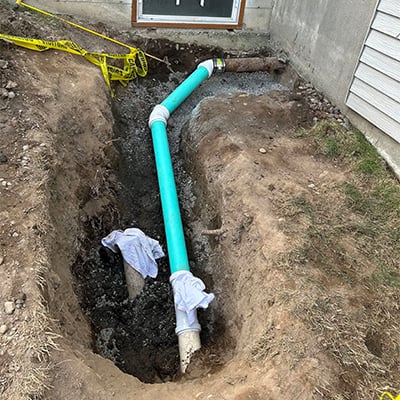 There are two broad ways to replace a service line: open trench, which exposes the full route, and trenchless methods like pipe bursting, which pull a new line through the old path with minimal excavation. Which one is available depends on soil, depth, and what sits above the line, including driveways, landscaping, and other utilities. For Seattle properties near Ballard, we evaluate the route during the assessment and tell you honestly what each method will involve.
Knowing where your main shutoff and meter are is the single most useful thing a Seattle homeowner can do before a water line emergency. If you can’t find yours, we’ll show you during a visit. Because a mix of century-old homes, mid-century bungalows, and dense new construction is common near the Rainier Valley, shutoff locations vary widely, and finding yours in advance saves time when it matters.
Most Seattle homeowners have never had to think about their service line until it fails. We make that decision easier by showing you what we found, laying out every option with its cost and disruption, and quoting before any ground is broken, so you stay in control of a repair that can otherwise feel overwhelming.
We also serve nearby communities including Mercer Island, Puyallup, and Redmond. Dispatch is coordinated across these areas, so a technician already working nearby can often reach you faster than a scheduled appointment would suggest.
Get a clear diagnosis and an honest repair-or-replace answer from our Seattle team.