
Greener Cleaner Heating, Air & Plumbing, LLC
Call Now

Water Filtration & Softeners in Puyallup, WA

People ask about water filtration for different reasons: taste, odor, spotting on glass, or scale on fixtures. Greener Cleaner’s Puyallup plumbers start with the question that matters, what is actually in your water, and recommend only the equipment that solves it.
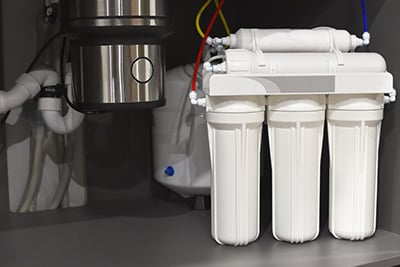
Licensed Water Filtration & Softeners Serving Puyallup, WA

Water Filtration & Softeners in PuyallupWe sell solutions, not gadgets. Greener Cleaner’s Puyallup team (Plumbing Lic. GREENCH741OS, HVAC Lic. GREENCH769NG) will tell you when a simple sediment or carbon filter is enough, when a softener makes sense, and when your water doesn’t need treatment at all.

Our Water Filtration & Softeners Services in Puyallup

  • Whole-home water filtration
  • Water softener installation and service
  • Under-sink and drinking water filters
  • Sediment and carbon filter replacement
  • Water hardness testing
  • Salt-free conditioner installation


Get Your Water Tested and Treated Right

Honest testing and installation for Puyallup homes. Call Greener Cleaner.

Call (253) 338-8878.

Signs Your Puyallup Home May Need Water Treatment

Common reasons homeowners look at treatment include white scale on faucets and in kettles, spots on glassware, soap that doesn’t lather well, a chlorine or musty taste, sediment in the water, or a rotten-egg smell. In Puyallup, where a mix of historic valley homes and newer hillside subdivisions is common, the cause often depends on the water source and the age of the plumbing, so two neighbors near the Washington State Fairgrounds may have different needs.
What to Expect

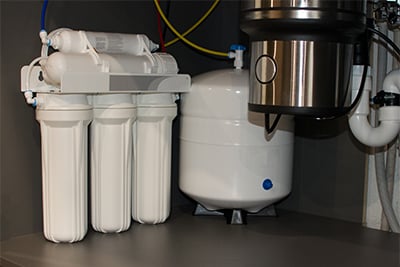
Water Filtration in PuyallupFiltration and softening solve different problems. A sediment or carbon filter reduces particles, chlorine taste, and odor, while a softener removes the minerals that cause scale on fixtures and appliances. Many Puget Sound municipal systems deliver relatively soft water, so a softener isn’t automatically the answer, and hardness varies by water source, including private wells. For Puyallup homes near the Puyallup River, we check what you actually have before recommending equipment.

  1. Tell us what you’re noticing: taste, odor, scale, sediment, or staining
  2. We check hardness and basic water conditions and inspect your plumbing
  3. You get a recommendation and a clear price for the equipment that fits
  4. We install, set up, and test the system, and explain simple maintenance

Local Tips for Puyallup Property Owners

Before buying any equipment in Puyallup, ask your water provider for its most recent water quality report, which describes the source water and typical hardness. Combined with an on-site check, it tells us whether a softener, a carbon filter, or nothing at all makes sense for your home near the Washington State Fairgrounds.

Why Puyallup Homeowners Choose Greener Cleaner

  • Water checked before equipment is recommended
  • Whole-home, under-sink, and softener systems installed
  • Honest advice, including when treatment isn’t needed
  • Licensed, bonded, and insured plumbers
  • Bypass valves and drains installed for easy maintenance

We’d rather lose a sale than install a system you don’t need. If your Puyallup water doesn’t call for a softener, we’ll say so and point you to a simpler fix, which is a big part of why customers trust our recommendations.

We also serve nearby communities including Bothell, Burien, and Des Moines. Dispatch is coordinated across these areas, so a technician already working nearby can often reach you faster than a scheduled appointment would suggest.


Find Out What Your Water Needs

We test first and recommend second. Talk to our Puyallup team today.
Call (253) 338-8878.

Frequently Asked Questions

What causes a rotten-egg smell in my water?

It's often related to the water heater or bacteria in the plumbing rather than the source water. We can check the heater and recommend a fix.

Is a salt-free conditioner as effective as a softener?

Salt-free systems condition minerals to reduce scale but don't remove hardness the way a softener does. We'll explain which fits your goals.

Will treated water affect my plumbing or appliances?

Properly installed treatment generally protects appliances from scale. We confirm compatibility with your water heater and plumbing before installing.

How long does a whole-home filter or softener last?

Quality equipment can last many years with proper maintenance, with filters and resin or media replaced on their own schedules. We'll outline the expected service for your system.

Does a water softener use a lot of water?

Softeners use some water to regenerate, though modern models regenerate on demand to limit waste. We'll explain the usage of the model we recommend.

Can I drink softened water?

Softened water is generally fine to drink for most people, but it contains added sodium or potassium. If you're on a restricted diet, many homeowners keep an unsoftened tap for drinking, and your doctor can advise.

Do I need a water softener in Puyallup?

Not always. Many Puget Sound municipal systems deliver relatively soft water, while private wells and some sources run harder. We test your water before recommending a softener.

What is the difference between a water filter and a water softener?

A filter removes particles, chlorine taste, and odors. A softener removes the hardness minerals that cause scale. They solve different problems and can be used together.

How much does a whole-home water filtration system cost?

Cost depends on the system type, size, and installation. We provide a written quote after seeing your setup, so you know the full price up front.

How often do filters need to be changed?

It depends on the filter type and your water use, from every few months for sediment filters to every six to twelve months for many carbon cartridges. We'll give you a schedule for your system.

Will a water softener make my water safer to drink?

Softeners are designed to address hardness, not contaminants, and they add a small amount of sodium or potassium. If you have health questions about your water, ask your utility or a certified lab.