A toilet that won’t stop running, won’t flush fully, or rocks slightly on the floor is worth addressing before it becomes a bigger repair. Greener Cleaner’s Puyallup technicians install and repair toilets and bidets with the same licensed crew for every job.
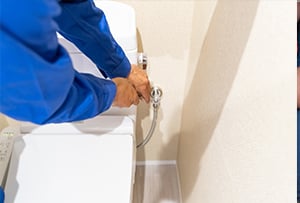 Greener Cleaner’s Puyallup technicians are licensed, bonded, and insured (Plumbing Lic. GREENCH741OS, HVAC Lic. GREENCH769NG) for toilet and bidet installation and repair. Every installation includes proper wax ring sealing, secure bolting, and a full leak test before we consider the job complete. We carry wax rings, flanges, and flush valve components for most major toilet brands, which keeps most installation and repair visits to a single trip.
 A toilet that’s become noticeably less efficient at clearing waste, or one that requires jiggling the handle to stop running, are both common signs it’s time for at least a repair, if not a full replacement. In Puyallup homes near the Washington State Fairgrounds with a mix of historic valley homes and newer hillside subdivisions, we often find that a toilet installed with the original construction has outlived its internal components even if the porcelain itself is fine. Older toilets that have never been serviced are also good candidates for a general check, even without an obvious symptom.
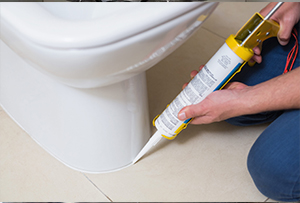
A toilet that rocks, leaks at the base, or won’t stay sealed usually traces back to the wax ring or the flange beneath it, not the toilet itself — which is why simply swapping in a new toilet without addressing the seal underneath often doesn’t solve the problem. For Puyallup properties near the Puyallup River, our technicians inspect and replace the seal and flange as needed during every installation. If the flange itself needs repair rather than just the wax ring, we’ll explain that distinction and quote it separately.
Stop wasting water and money. Call our Puyallup plumbers for a fast, honest repair.
Most toilet problems homeowners assume require a full replacement actually come down to a worn seal or valve, which is a much smaller repair. Our Puyallup technicians diagnose honestly rather than defaulting to the more expensive recommendation. It also means fewer surprise leaks after the fact, since the underlying seal gets addressed properly the first time.
We also serve nearby communities including Bothell, Burien, Des Moines, and dispatch is coordinated across all of these areas so a technician already working nearby can often reach you faster than a scheduled appointment would suggest. See our Puyallup service area page for the full range of HVAC and plumbing services we provide locally.
Proper sealing and leveling matter more than the brand. Call Puyallup’s trusted installers today.