Wet-season soil conditions near the I-5/320th Street interchange make open excavation messier and riskier, which is one reason Federal Way homeowners ask about trenchless repair. Greener Cleaner can tell you whether your line qualifies.
 Lining and bursting have real limits, and an honest contractor will tell you where they are. Our licensed, bonded, and insured Federal Way plumbers (Plumbing Lic. GREENCH741OS, HVAC Lic. GREENCH769NG) will say plainly when your line needs a traditional repair instead.
Protect your yard and your budget with an honest look at the options in Federal Way.
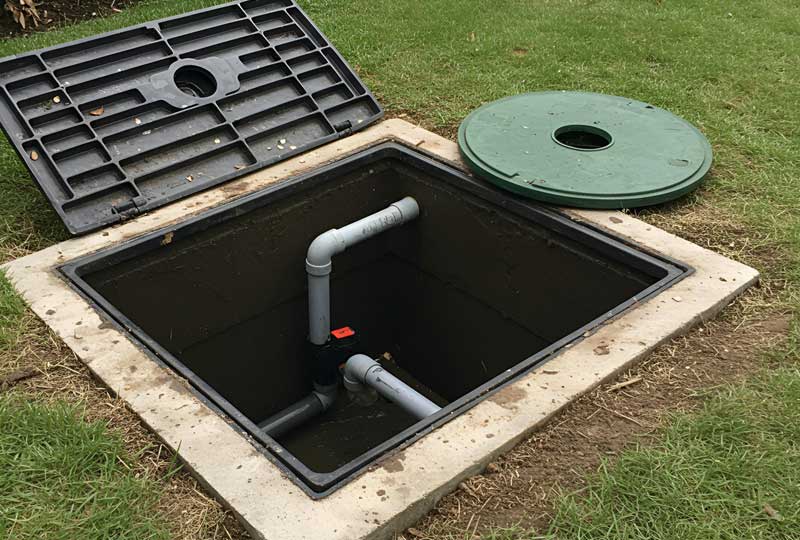
Trenchless repair deserves a look when a camera shows cracks, root intrusion, or separated joints in an otherwise aligned pipe, when the line runs under a driveway, patio, or mature trees, or when open excavation would be costly or disruptive. In Federal Way, where a mix of single-family homes built from the 1970s through today is common, homes near the I-5/320th Street interchange often have older clay or cast iron lines that fit those descriptions.
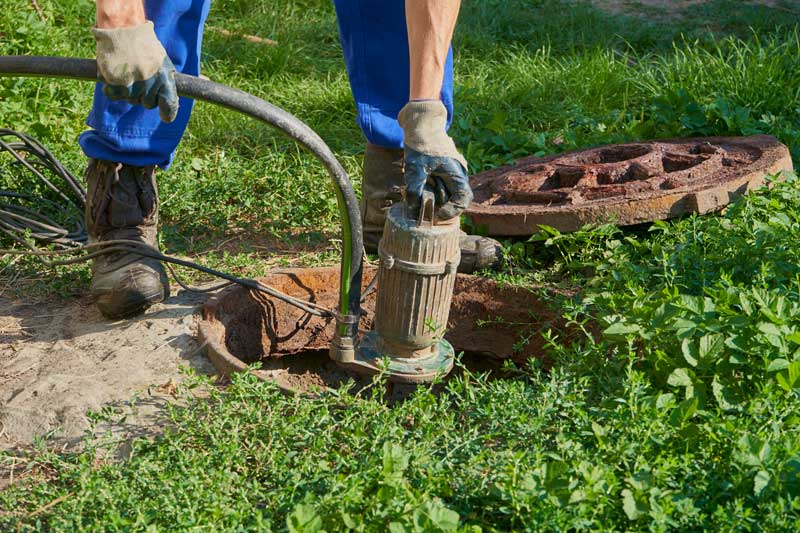 Trenchless isn’t a fit for every sewer line. A pipe with a severe sag, known as a belly, a full collapse, or major offsets may not be a lining candidate, and bursting depends on soil conditions and the surrounding utilities. For Federal Way homes near Dash Point, we explain those limits up front, so you know what you’re choosing between before you commit.
If you’ve been told your Federal Way sewer line needs to be dug up, a second opinion on camera is worth it. Some lines that look like full replacements can be lined or spot-repaired, and others truly need replacement. We’ll show you which category yours is in, with the footage to back it up.
A sewer repair is one of the larger plumbing expenses a homeowner faces, and the right method can change the cost and the disruption considerably. We lay out each option for Federal Way homeowners side by side, so nothing about the decision is hidden.
We also serve nearby communities including Bellevue, Bothell, and Burien. Dispatch is coordinated across these areas, so a technician already working nearby can often reach you faster than a scheduled appointment would suggest.
Our Federal Way team will tell you whether lining, bursting, or a traditional dig makes sense.