Seattle homeowners near Capitol Hill call Greener Cleaner when the shower has gone weak or the pipes have started banging. We measure first, so you hear a diagnosis based on a gauge reading, not a hunch.
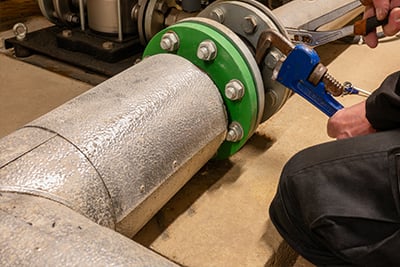 A pressure regulator is a small part with big consequences, and replacing one correctly takes a licensed plumber who can set and verify the result. Greener Cleaner’s Seattle team (Plumbing Lic. GREENCH741OS, HVAC Lic. GREENCH769NG) tests pressure before and after, so you can see the improvement.
Weak showers or banging pipes? Greener Cleaner’s Seattle plumbers measure first and fix the real cause.
Sudden changes deserve attention. A pressure drop that arrives overnight can mean a leak, a failed regulator, or a utility issue, and pressure that climbs can cause burst hoses and failed fixtures. In Seattle, where a mix of century-old homes, mid-century bungalows, and dense new construction is common, we see these symptoms most often in homes near Capitol Hill with original regulators that have never been replaced.
 High pressure is quieter but more damaging. It shows up as banging pipes, a toilet that runs, short appliance lifespans, and leaks that keep returning. For Seattle homes near Ballard, we often find a worn regulator or a missing expansion tank behind these symptoms, and replacing them protects the rest of the plumbing system.
Many pressure complaints in Seattle turn out to be a combination of small things: a partially closed valve left over from a past repair, an aerator full of sediment, and a regulator that’s slowly drifting. Because a mix of century-old homes, mid-century bungalows, and dense new construction is common near the Rainier Valley, homes often have a history of small repairs, and we check each point in the system rather than stopping at the first fix.
A pressure complaint often turns out to be a cheap fix hiding behind an expensive guess. We would rather spend ten minutes measuring and tell Seattle homeowners it’s a clogged aerator than sell a bigger repair than the problem calls for.
We also serve nearby communities including Mercer Island, Puyallup, and Redmond. Dispatch is coordinated across these areas, so a technician already working nearby can often reach you faster than a scheduled appointment would suggest.
Honest diagnosis and clear pricing for Seattle homes, before any work begins.