Seattle homeowners near Capitol Hill come to Greener Cleaner for trenchless repair because we show the camera footage and explain exactly what lining or bursting would do for their pipe.
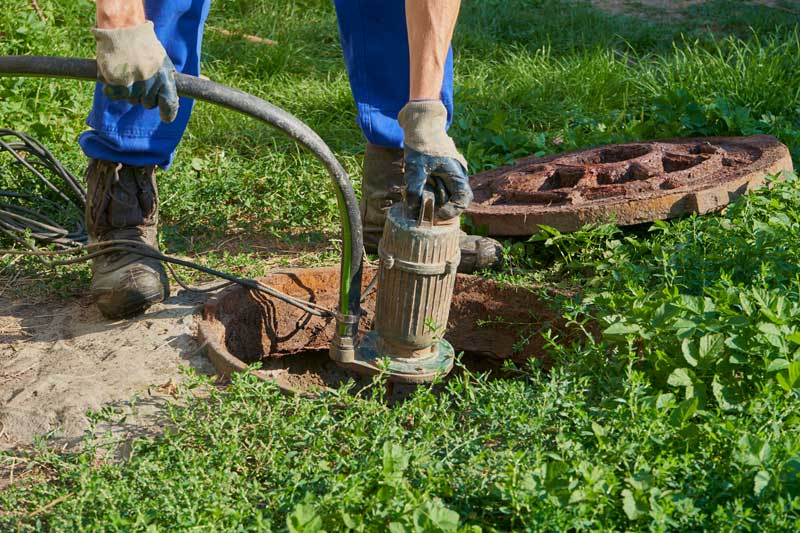 A trenchless repair should be documented from start to finish. Greener Cleaner’s Seattle team (Plumbing Lic. GREENCH741OS, HVAC Lic. GREENCH769NG) records the before-repair inspection and a post-repair camera pass, giving you a clear record for your files or a future buyer.
Protect your yard and your budget with an honest look at the options in Seattle.
Pre-purchase inspections are another common trigger. If a home inspection flags a sewer concern in Seattle, a camera inspection can show whether trenchless repair is an option and what it might cost. In Seattle, where a mix of century-old homes, mid-century bungalows, and dense new construction is common, that information can help buyers and sellers near Capitol Hill negotiate with confidence.
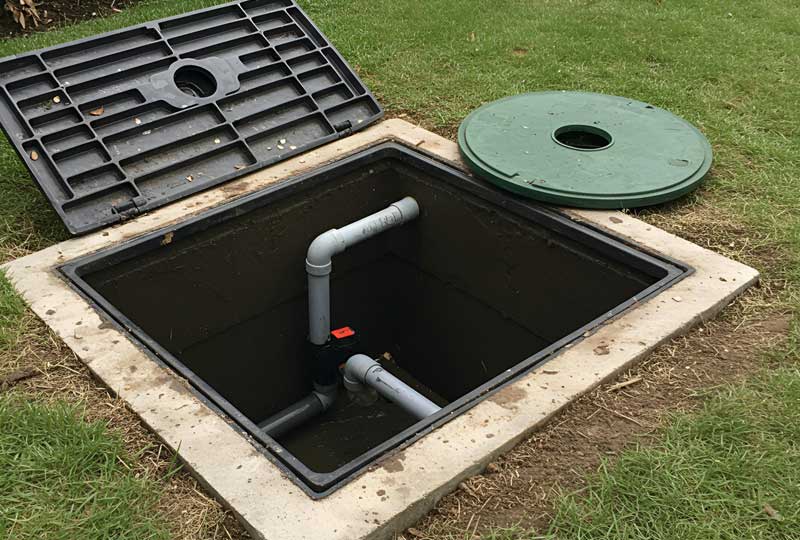 The main appeal of trenchless repair is that it limits excavation to small access points instead of a full trench, which protects landscaping, driveways, and hardscape. It can also shorten the job. For Seattle properties near Ballard, we also weigh the long-term value of each method, including the expected life of the new pipe and how it handles roots.
If you’ve been told your Seattle sewer line needs to be dug up, a second opinion on camera is worth it. Some lines that look like full replacements can be lined or spot-repaired, and others truly need replacement. We’ll show you which category yours is in, with the footage to back it up.
A sewer repair is one of the larger plumbing expenses a homeowner faces, and the right method can change the cost and the disruption considerably. We lay out each option for Seattle homeowners side by side, so nothing about the decision is hidden.
We also serve nearby communities including Mercer Island, Puyallup, and Redmond. Dispatch is coordinated across these areas, so a technician already working nearby can often reach you faster than a scheduled appointment would suggest.
Our Seattle team will tell you whether lining, bursting, or a traditional dig makes sense.