 Few cities experience the unique atmospheric shifts that Seattle does, where marine air, seasonal wildfire smoke, and dense urban development combine to challenge indoor comfort year-round. Seattle Cooling Indoor Air Quality has become a growing priority for homeowners and businesses alike, particularly as summer temperatures push into ranges that strain older HVAC systems. Maintaining breathable, clean indoor air during cooling cycles is no longer optional — it is essential for health and comfort.
Seattle’s rapid growth across neighborhoods like Capitol Hill, South Lake Union, and Beacon Hill has introduced more construction dust, traffic pollutants, and allergens into the local air supply. Addressing Seattle Cooling Indoor Air Quality means going beyond simply lowering the thermostat. Effective solutions involve filtering, monitoring, and managing the air circulating through your space during every cooling cycle.
Proper indoor air management during cooling season protects residents from hidden contaminants that standard systems often miss. Seattle Cooling Indoor Air Quality solutions work best when paired with professional assessment and the right equipment for your specific space.
Here are some of the professional services available in Seattle to support healthier indoor environments.
Call Greener Cleaner HVAC for reliable Seattle Cooling Indoor Air Quality service from experienced local professionals.
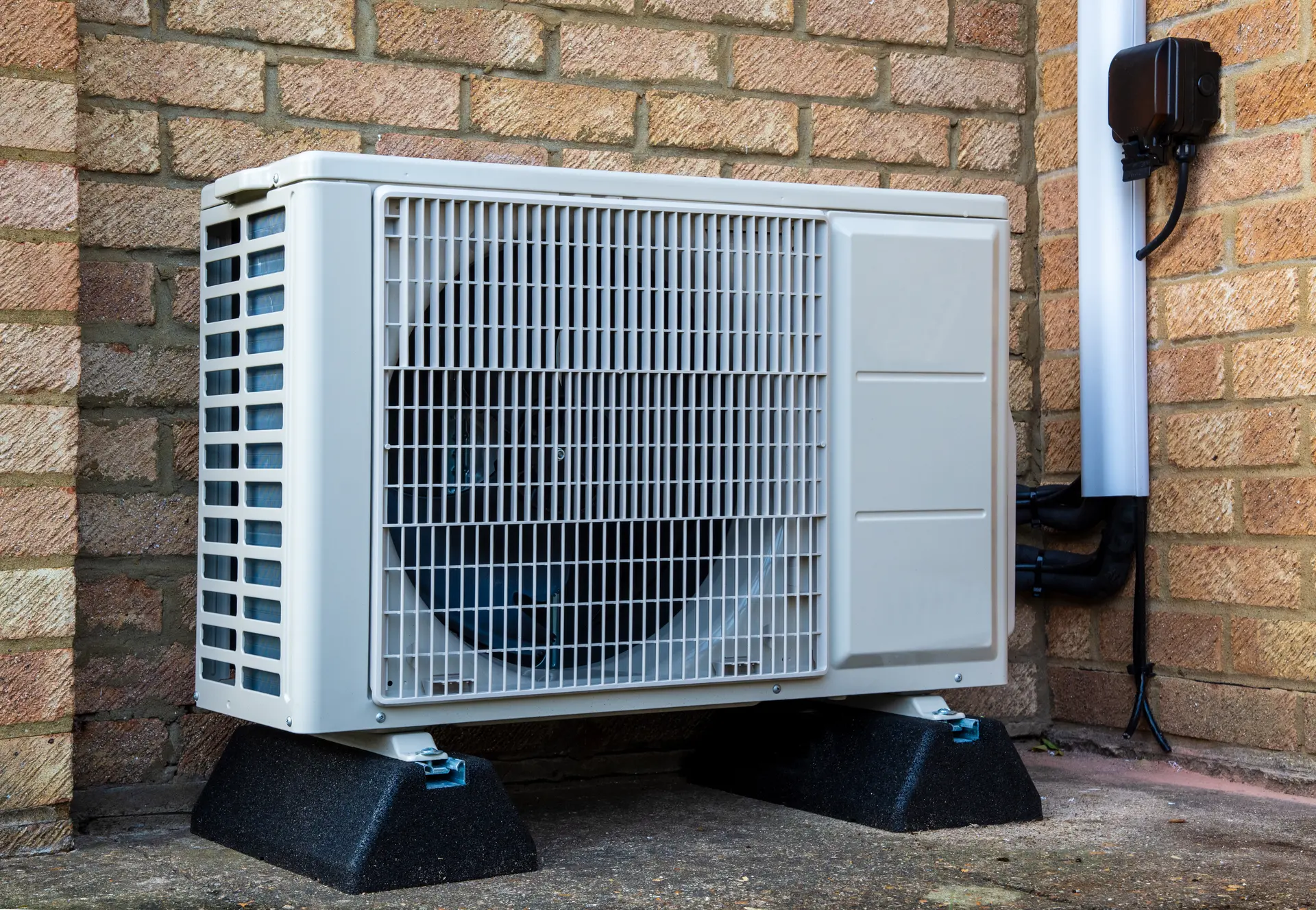 During Seattle’s warmer months, wildfire smoke drifting from eastern Washington and Oregon can dramatically reduce outdoor air quality, pushing harmful particulates indoors. A properly installed Seattle Air filtration system captures these fine particles before they circulate through your living or working space. Without adequate filtration, cooling systems can actually spread contaminants rather than remove them.
Beyond seasonal smoke, everyday pollutants — pet dander, mold spores, and volatile organic compounds from building materials — accumulate quickly in sealed indoor environments. A high-performance Seattle Air filtration system addresses these threats continuously, working alongside your cooling equipment to deliver genuinely cleaner air. Choosing the right filtration technology depends on your space size, existing HVAC setup, and specific air quality concerns.
Upgrading your filtration setup is one of the most impactful investments Seattle residents can make for long-term indoor wellness. A well-matched Seattle Air filtration system extends equipment life while reducing allergen exposure throughout every season.
Explore the filtration options currently serving Seattle homes and commercial spaces below.
Call Greener Cleaner HVAC to explore the right Seattle Air filtration system solution for your home or business today.
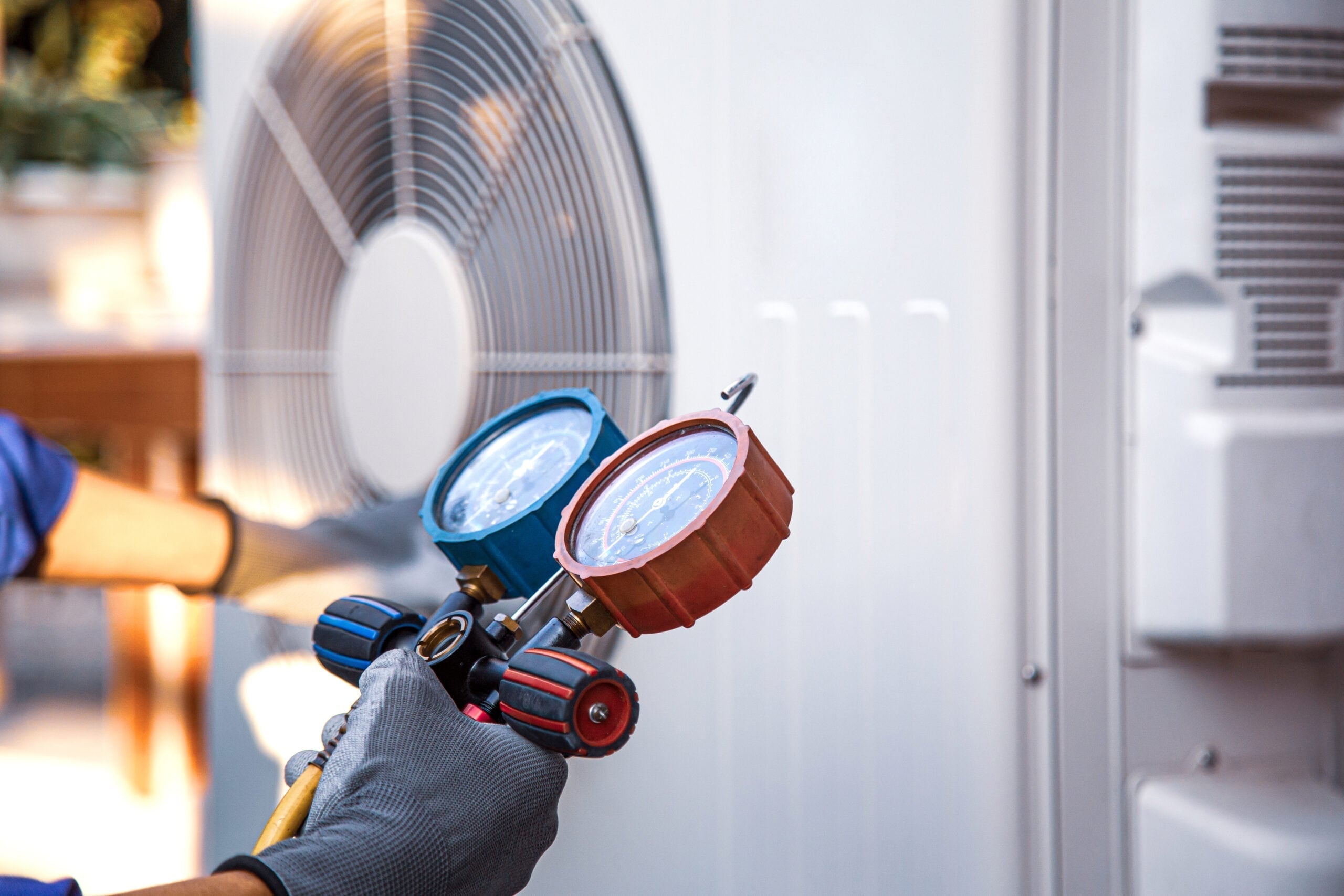 Understanding what is actually in your indoor air requires more than guesswork — it requires real-time data. A Seattle Air quality monitor gives homeowners and facility managers immediate visibility into pollutant levels, humidity, CO2 concentration, and particulate matter. This information allows for smarter decisions about when to run filtration systems, open windows, or schedule professional service.
One practical tip for Seattle residents: place monitors away from vents and direct sunlight to ensure accurate readings. Positioning matters significantly in open-plan spaces or multi-story homes. A reliable Seattle Air quality monitor paired with a smart HVAC system creates a responsive indoor environment that adjusts automatically to changing conditions.
Monitoring technology has advanced considerably, making professional-grade accuracy accessible for everyday use. Investing in a Seattle Air quality monitor is a straightforward step toward understanding and improving the air your family or team breathes daily.
Discover the monitoring solutions available to Seattle residents and businesses through trusted local providers.
Call Greener Cleaner HVAC to install a professional Seattle Air quality monitor and take control of your indoor environment.
Seattle’s marine air, seasonal wildfire smoke, and high humidity create unique indoor air challenges. During cooling season, these factors push pollutants indoors, making proper filtration and ventilation critical for maintaining healthy air quality throughout your home.
HEPA and HVAC-integrated filtration systems work well for most Seattle homes. The best choice depends on your space size and specific concerns like smoke, allergens, or mold. A professional assessment helps identify the most effective option for your situation.
Most Seattle homeowners should replace standard filters every 60 to 90 days. During wildfire smoke season or high-pollen periods, monthly replacement may be necessary. Higher-grade HEPA filters typically last longer but should still be inspected regularly.
Yes, especially given Seattle‘s seasonal smoke and urban pollutant levels. An air quality monitor provides real-time data on particulates, CO2, and humidity, helping you respond quickly to changes and make informed decisions about ventilation and filtration adjustments.
Absolutely. Seattle‘s damp climate encourages mold and dust mite growth. A whole home dehumidifier reduces excess moisture, limiting biological pollutant development and improving overall comfort, especially during cooler, wetter months when indoor humidity tends to spike.
Greener Cleaner HVAC provides air quality testing, filtration system installation, air quality monitor setup, dehumidifier services, and ventilation solutions. Their team helps Seattle residents identify and resolve indoor air concerns with professional equipment and local expertise.