No hot water is rarely convenient, and a leaking tank can cause real damage fast. If your Lynnwood water heater has stopped working or started leaking, Greener Cleaner can diagnose it and quote a repair or replacement the same day.
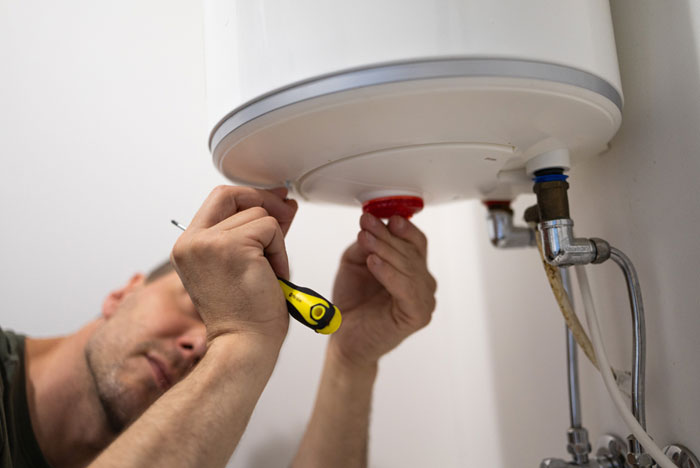 Greener Cleaner’s technicians work on gas, electric, propane, and tankless systems from all major manufacturers, and every water heater installation in Lynnwood is completed by a licensed, bonded, and insured technician (Lic. GREENCH769NG). We provide a clear price before any work begins, so you know the repair-versus-replace math before committing. We stock common replacement parts across brands, which is part of why most Lynnwood repair visits are completed without a second trip for a special-order component.
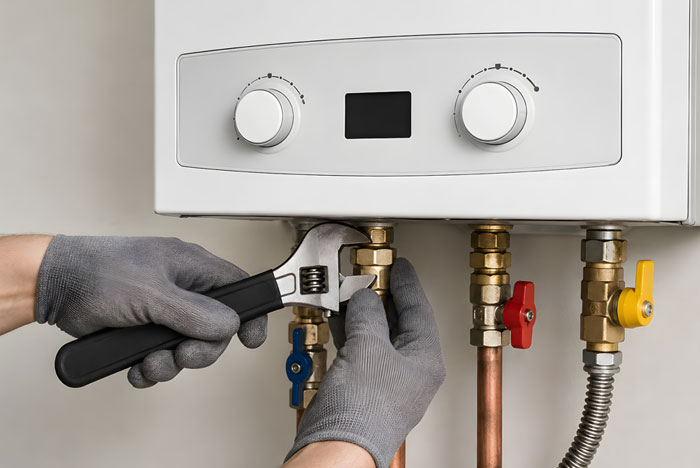 Most water heater failures give some warning first — water pooling at the base of the tank, a change in water color, or a noticeable drop in how long the hot water lasts. For Lynnwood homes near the I-5 corridor, where a mix of mid-century homes and denser new construction near transit means many units are past the 8-12 year mark where sediment and corrosion accelerate, catching these signs early usually means the difference between a simple repair and an emergency replacement. If you’ve noticed a slight metallic smell from the hot water tap specifically, that can point to corrosion inside the tank, which is worth a professional look before it worsens.
When a water heater fails, the cause is usually one of a handful of things — a worn heating element, a stuck igniter, sediment that’s built up over years, or a tank that’s simply corroded through. Our technicians test for the specific cause rather than assuming, then walk Lynnwood homeowners through the real choice: repair the existing unit, or replace it with something better sized for the household near the I-5 corridor. Any replacement includes proper venting, code-compliant connections, and disposal of the old tank. If the unit is being replaced, we confirm the new tank matches both the home’s fuel type and available clearance before ordering, since Lynnwood homes vary in how water heaters were originally installed.
Cold showers, rust-colored water, or a leaking tank — call (425) 357-7797 and we’ll get a technician out to your Lynnwood home.
Most Lynnwood homeowners only think about their water heater when it fails, which is why we lead with education rather than a sales pitch: what actually failed, what a fair repair costs, and whether replacement makes more sense long term. Financing is available for full replacements, and our Comfort Club members receive discounted rates on both plumbing and HVAC service. It also means fewer surprise failures down the line, since sizing and installation quality affect how long a unit actually lasts.
We also serve nearby communities including Mercer Island, Puyallup, Redmond, and dispatch is coordinated across all of these areas so a technician already working nearby can often reach you faster than a scheduled appointment would suggest. See our Lynnwood service area page for the full range of HVAC and plumbing services we provide locally.
Tank or tankless, gas or electric — call our Lynnwood team and we’ll help you pick the right fit before you buy anything.