A failing sewer line shouldn’t wait, but it also shouldn’t be repaired blindly. Greener Cleaner’s Lynnwood plumbers can inspect, diagnose, and recommend a trenchless or traditional repair quickly, with the footage to back it up.
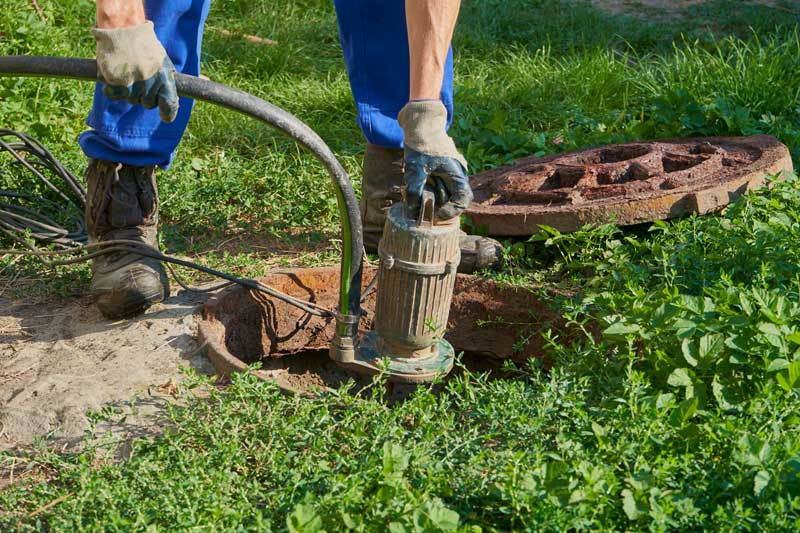 A trenchless repair should be documented from start to finish. Greener Cleaner’s Lynnwood team (Plumbing Lic. GREENCH741OS, HVAC Lic. GREENCH769NG) records the before-repair inspection and a post-repair camera pass, giving you a clear record for your files or a future buyer.
Protect your yard and your budget with an honest look at the options in Lynnwood.
Pre-purchase inspections are another common trigger. If a home inspection flags a sewer concern in Lynnwood, a camera inspection can show whether trenchless repair is an option and what it might cost. In Lynnwood, where a mix of mid-century homes and denser new construction near transit is common, that information can help buyers and sellers near Alderwood Mall negotiate with confidence.
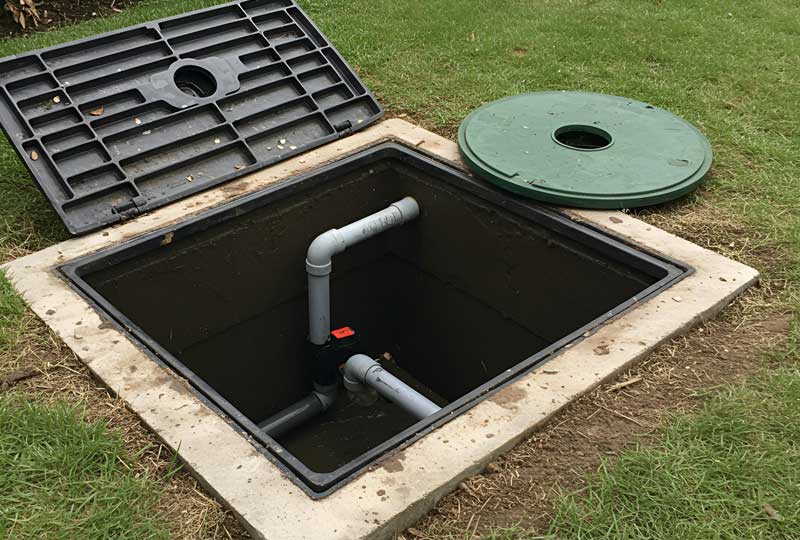 Trenchless isn’t a fit for every sewer line. A pipe with a severe sag, known as a belly, a full collapse, or major offsets may not be a lining candidate, and bursting depends on soil conditions and the surrounding utilities. For Lynnwood homes near the I-5 corridor, we explain those limits up front, so you know what you’re choosing between before you commit.
Before any trenchless work in Lynnwood, we confirm the line’s location, depth, and connection points, and we coordinate utility locates. Properties near Alderwood Mall often have other buried lines nearby, so a careful plan avoids surprises that can slow the job.
Whether the answer is lining, bursting, or a traditional dig, Greener Cleaner’s Lynnwood team recommends the method that fits your pipe and your property, and documents the result.
We also serve nearby communities including Mercer Island, Puyallup, and Redmond. Dispatch is coordinated across these areas, so a technician already working nearby can often reach you faster than a scheduled appointment would suggest.
Our Lynnwood team will tell you whether lining, bursting, or a traditional dig makes sense.