As Kent continues to grow near the Green River, more households are outgrowing older, undersized water heaters. Greener Cleaner helps homeowners repair what’s fixable and right-size a replacement when it isn’t.
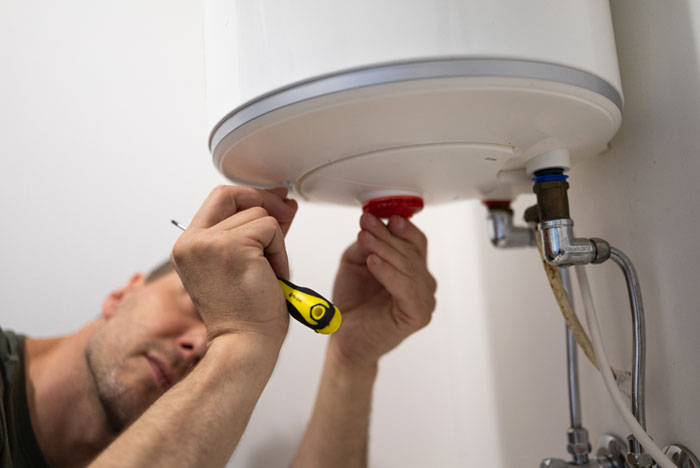 Water heater brands and fuel types vary widely, which is why our Kent technicians are trained across gas, electric, propane, and tankless systems rather than just one manufacturer. Every quote — repair or replacement — is itemized and provided before work starts, and every installation is backed by our license and insurance (Lic. GREENCH769NG). Our technicians are factory-trained across the major tank and tankless brands installed throughout Kent, rather than specializing in just one manufacturer.
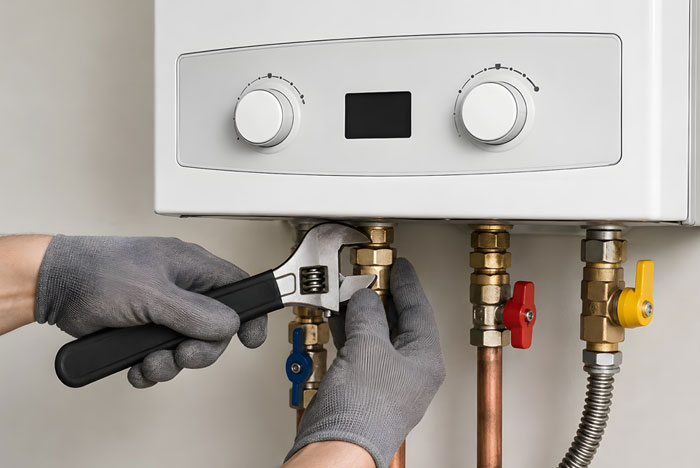 A water heater rarely fails without warning. Rusty or discolored hot water, a persistent rumbling or popping sound from the tank, water pooling at the base of the unit, or hot water that runs out faster than it used to are all signals worth addressing before a full failure. In Kent, homes near the Green River that still run original-construction tanks are especially prone to sediment buildup, which reduces both efficiency and capacity over time, and a mix of valley-floor residential neighborhoods and growing commercial districts means many units are approaching or past their expected lifespan. If your pilot light won’t stay lit or your electric unit is tripping the breaker repeatedly, that’s also a sign the unit needs a professional look. Checking the age stamped on the tank itself is a quick way to gauge risk — most standard water heaters are rated for 8 to 12 years, and Kent’s housing stock means plenty are already past that mark.
Most water heater problems fall into a short list: a failed heating element or igniter, sediment buildup reducing capacity, a corroded tank that’s begun leaking, or a unit that’s simply undersized for the household. For a Kent home, our technician inspects the tank, tests for the actual point of failure, and gives you options — repair now, or replace with a right-sized unit, including tankless if that fits the home’s layout near the Kent Valley warehouse corridor. Installations include removal and disposal of the old unit, code-compliant venting and connections, and a full system test before we leave. We also check the expansion tank and shutoff valve while we’re there, since both are common points of failure that often get overlooked during a straightforward repair.
Tank or tankless, gas or electric — call our Kent team and we’ll help you pick the right fit before you buy anything.
A water heater replacement is not a purchase most homeowners make often, which is exactly why clear communication matters. Greener Cleaner walks Kent customers through gas versus electric, tank versus tankless, and sizing for household demand, then installs it correctly the first time with a warranty on the work. Because we also handle HVAC, our technicians are trained to spot related issues — a condensate line contributing to moisture, or a gas connection that also feeds a furnace — during the same visit, and financing is available for full replacements. That approach tends to save Kent homeowners money over the life of the unit, even when the upfront quote isn’t the cheapest option available.
We also serve nearby communities including Des Moines, Everett, Federal Way, and dispatch is coordinated across all of these areas so a technician already working nearby can often reach you faster than a scheduled appointment would suggest. See our Kent service area page for the full range of HVAC and plumbing services we provide locally.
Not sure if it needs a repair or a full replacement? Greener Cleaner will give you a straight answer and a firm price.