
Switching to a tankless water heater is a bigger decision than swapping one tank for another, and Auburn homeowners deserve a plumber who will say honestly whether it fits their home. Greener Cleaner installs and services tankless systems with the same licensed crew that handles gas lines, venting, and water heater repair.
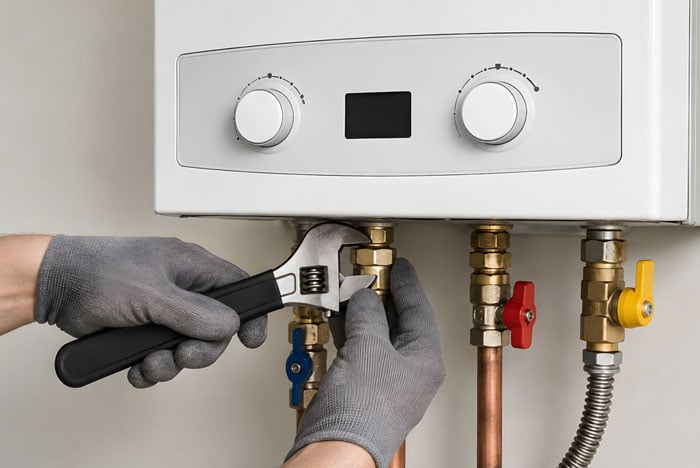 Tankless water heaters sit where plumbing, gas, and venting overlap, which is exactly where Greener Cleaner’s cross-trained Auburn technicians are strongest (Plumbing Lic. GREENCH741OS, HVAC Lic. GREENCH769NG). We check the gas supply, vent routing, and water conditions up front, so the quote reflects the real scope of the installation, not a best-case guess.
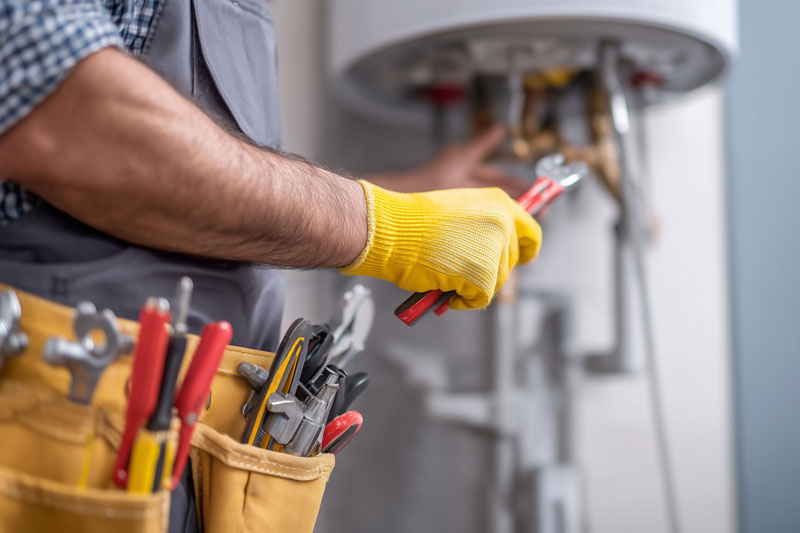 Before choosing tankless, check three things: how many fixtures typically run at once, whether your gas meter and line can support a larger appliance, and where a vent can safely exit the home. In Auburn, properties near the Green River Valley vary widely on all three, since a mix of older valley-floor homes and newer hillside developments is common and each home was built to a different standard. A short on-site assessment answers all three questions and removes the guesswork before you spend a dollar.
: Greener Cleaner’s Auburn plumbers check gas, venting, and sizing before quoting.
Tankless water heaters heat water only when you open a tap, which eliminates standby heat loss and the limited capacity of a storage tank. The tradeoff is that they demand more from your home: a gas line large enough for a high-burn-rate appliance, proper venting, a condensate drain for high-efficiency models, and a unit sized for how many fixtures run at once. For Auburn homes near Auburn Way, we inspect each of those before quoting, so a conversion doesn’t surprise you with hidden costs. After installation we flush and program the unit, confirm temperature at the farthest fixture, and explain maintenance, including the annual descaling that keeps a tankless unit efficient.
If you’re planning a remodel or addition in Auburn, it’s the ideal time to look at tankless. Moving the water heater to a wall near the bathrooms can shorten pipe runs and cut the wait for hot water. We coordinate with your contractor on gas, venting, and plumbing so the water heater doesn’t hold up the rest of the project.
Tank or tankless, our job is the same: give Auburn homeowners the facts and a fair price, then install the choice correctly. When tankless is the right answer, you’ll get a system sized for your home. When it isn’t, we’ll say so and point you to the better option.
We also serve nearby communities including Bellevue, Bothell, and Burien. Dispatch is coordinated across these areas, so a technician already working nearby can often reach you faster than a scheduled appointment would suggest.
Honest answers for Auburn homeowners, before you spend a dollar.