
A failed sump pump rarely announces itself until the water is already in the basement or crawlspace. Greener Cleaner’s Auburn plumbers install, repair, and replace sump pumps, and we test every system under load so you know it will run when the rain does.
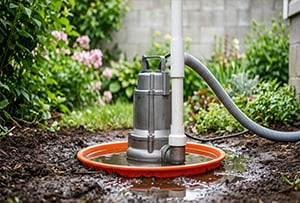 We install and service submersible and pedestal pumps from major brands, and every Auburn job is completed by a licensed, bonded, and insured plumber (Plumbing Lic. GREENCH741OS, HVAC Lic. GREENCH769NG). Testing under load, not just a quick power check, is how we confirm a pump will work when it counts.
A pump that has been quiet all summer may have a stuck float or a seized motor by the time fall rains arrive. In Auburn, where a mix of older valley-floor homes and newer hillside developments is common, we see the most failures in homes near the Green River Valley when pumps are installed and then never tested. A short pre-season visit is far cheaper than cleaning up a flooded basement.
Test, repair, or replace your sump pump with Greener Cleaner’s Auburn team.
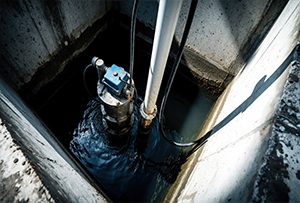 A sump pump sits in a pit that collects groundwater and pushes it out through a discharge line before it can reach your floor. The system depends on a float switch to start the pump, a check valve to keep water from flowing back, and a discharge route that carries water away from the foundation. For Auburn homes near Auburn Way, we inspect each of those parts, clean the pit, test the pump under load, and recommend repair or replacement based on its age and condition.
Check your discharge line before the wet season. Leaves, ice, or a kinked hose can block it, and a pump that runs but can’t discharge is as useless as one that won’t start. We include a discharge check on every Auburn sump visit, and we’re happy to show you what to look for yourself.
Whether you need a quick repair or a new pump with battery backup, Greener Cleaner’s Auburn team installs sump systems correctly the first time and tests them before we leave.
We also serve nearby communities including Bellevue, Bothell, and Burien. Dispatch is coordinated across these areas, so a technician already working nearby can often reach you faster than a scheduled appointment would suggest.
Don’t wait for water in the basement. Get your system checked and tested.