Seattle homeowners near Capitol Hill tend to ask us the same thing before buying a softener or filter: do I actually need this? We answer honestly, because the best system is the one that matches your water.
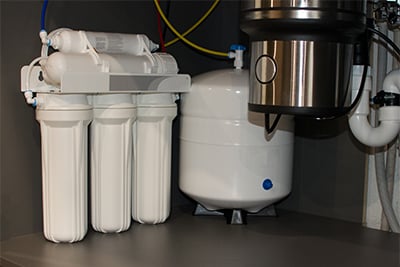 We sell solutions, not gadgets. Greener Cleaner’s Seattle team (Plumbing Lic. GREENCH741OS, HVAC Lic. GREENCH769NG) will tell you when a simple sediment or carbon filter is enough, when a softener makes sense, and when your water doesn’t need treatment at all.
We test first and recommend second. Talk to our Seattle team today.
Scale buildup on a water heater, shortened appliance life, and crusty showerheads suggest hard water. A change in taste or odor after a main break or nearby construction suggests sediment or disinfectant changes. In Seattle, where a mix of century-old homes, mid-century bungalows, and dense new construction is common, we recommend testing first so the equipment matches what is actually in your water.
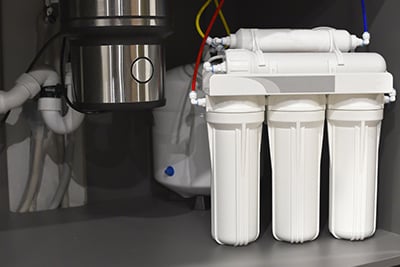 Installation details determine how well a system works over time: sizing for peak flow, a bypass so you can service it, a proper drain for softener regeneration, and filter housings placed where they’re easy to reach. For Seattle homes near Ballard, we plan the layout to fit your utility space and plumbing, then test flow, pressure, and drainage before we leave.
Maintenance is part of the decision. A filter that’s never changed does more harm than good, and a softener needs salt. We’ll tell Seattle homeowners exactly what each system will require, so you can choose equipment that fits how much attention you want to give it.
We’d rather lose a sale than install a system you don’t need. If your Seattle water doesn’t call for a softener, we’ll say so and point you to a simpler fix, which is a big part of why customers trust our recommendations.
We also serve nearby communities including Mercer Island, Puyallup, and Redmond. Dispatch is coordinated across these areas, so a technician already working nearby can often reach you faster than a scheduled appointment would suggest.
Honest testing and installation for Seattle homes. Call Greener Cleaner