Seattle homeowners near Capitol Hill call Greener Cleaner for sump pumps because we explain the system, test it in front of you, and don’t recommend a replacement when a cheaper repair will do.
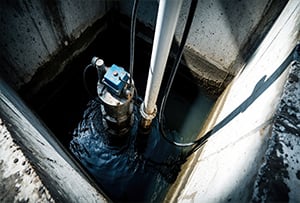 A failed sump pump can mean thousands in water damage, so we focus on the details that prevent it: correct sizing, a working float, a check valve that holds, and backup power. Our Seattle team (Plumbing Lic. GREENCH741OS, HVAC Lic. GREENCH769NG) checks all of them on every visit.
Test, repair, or replace your sump pump with Greener Cleaner’s Seattle team.
A pump that has been quiet all summer may have a stuck float or a seized motor by the time fall rains arrive. In Seattle, where a mix of century-old homes, mid-century bungalows, and dense new construction is common, we see the most failures in homes near Capitol Hill when pumps are installed and then never tested. A short pre-season visit is far cheaper than cleaning up a flooded basement.
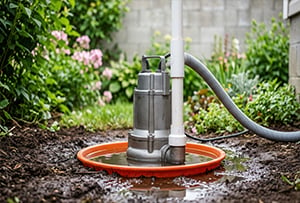 Backup protection is the part many homeowners skip until the power goes out in a storm. A battery backup pump or a water-powered backup can keep the pit from overflowing when the primary pump can’t run. For Seattle homes near Ballard, we can add a backup system, test it, and show you how to check it each season.
Check your discharge line before the wet season. Leaves, ice, or a kinked hose can block it, and a pump that runs but can’t discharge is as useless as one that won’t start. We include a discharge check on every Seattle sump visit, and we’re happy to show you what to look for yourself.
A sump pump is a system, not just a motor. We check the pit, float, check valve, discharge, and power, and we explain what we found, so Seattle homeowners know exactly how protected they are heading into the rainy season.
We also serve nearby communities including Mercer Island, Puyallup, and Redmond. Dispatch is coordinated across these areas, so a technician already working nearby can often reach you faster than a scheduled appointment would suggest.
Right-sized pump, correct discharge, and backup protection for your Seattle home.