
Seattle homeowners near its hilly, densely built neighborhoods call Greener Cleaner for leak detection because our approach is targeted — we locate the exact source before recommending any repair, rather than opening up walls or flooring to search.
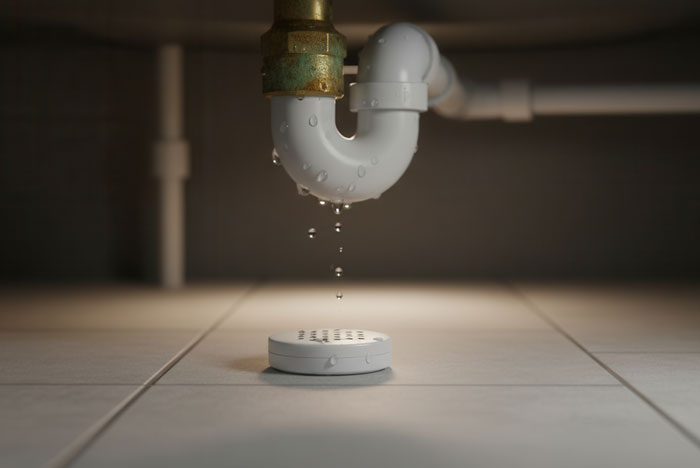 Greener Cleaner uses acoustic listening equipment and pressure testing to pinpoint the location of a hidden leak before any drywall, flooring, or slab is opened up. This targeted approach means Seattle homeowners pay for a precise repair, not exploratory demolition. Our leak detection equipment is calibrated regularly, which matters for Seattle properties where pipe depth and slab thickness can vary significantly between older and newer construction across the area.
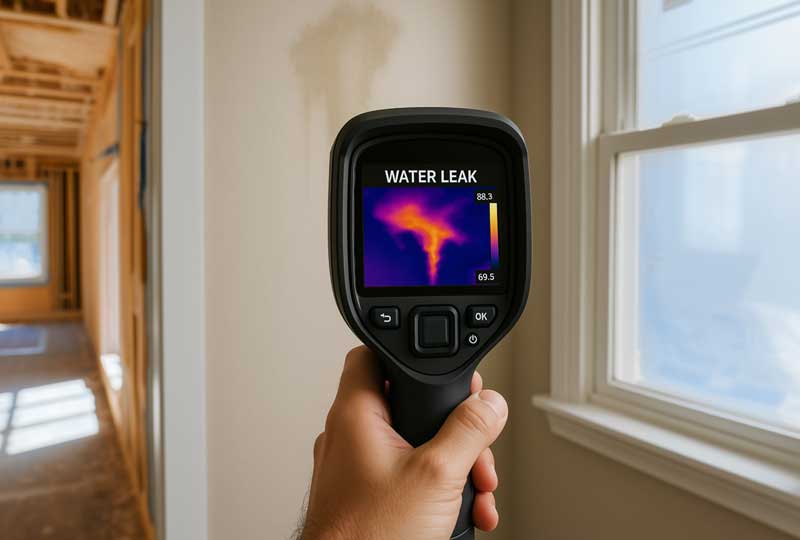 A leak that’s out of sight rarely stays out of mind for long — a rising water bill, a warm patch on the floor, or a musty smell that won’t go away are the usual tells. For Seattle homes near its hilly, densely built neighborhoods, where a mix of century-old homes, mid-century bungalows, and dense new construction is typical, slab leaks and crawlspace pipe failures account for most of the hidden leaks we’re called out to find. A water bill spike that coincides with a specific season — often winter, when ground shifts with temperature — is also a common pattern worth investigating.
A hidden leak usually leaves a few clues — a water bill that’s crept up without an obvious cause, a warm patch on a slab floor, or a persistent musty smell. Our technicians combine acoustic listening with pressure testing to trace the leak to a specific section of pipe rather than guessing at an entire wall or floor, which for Seattle properties near an older housing stock with aging plumbing infrastructure often means a much smaller repair than homeowners expect going in. If the leak turns out to be isolated to a single fixture supply line rather than the main system, the repair is typically much simpler than homeowners expect going into the visit.
Call (206) 210-4113 to get a Seattle technician out with the equipment to locate hidden leaks accurately.
An accurate leak detection visit pays for itself by avoiding unnecessary demolition — Seattle homeowners get a confirmed location before any cutting starts, a clear repair quote, and documentation afterward that can support an insurance claim if the leak caused water damage. We also retest after the repair to confirm it’s fully resolved. Most Seattle customers who’ve had a leak found and repaired this way tell us they were relieved by how little disruption it actually took compared to what they expected going in.
We also serve nearby communities including Mercer Island, Puyallup, Redmond, and dispatch is coordinated across all of these areas so a technician already working nearby can often reach you faster than a scheduled appointment would suggest. See our Seattle service area page for the full range of HVAC and plumbing services we provide locally.
Skip the guesswork. Our Seattle team pinpoints the leak before recommending any repair.