Pressure that suddenly drops, a toilet tank that hisses, or a faucet that hammers when you shut it off are all worth checking quickly. Greener Cleaner’s Renton plumbers diagnose pressure issues in a single visit in most cases.
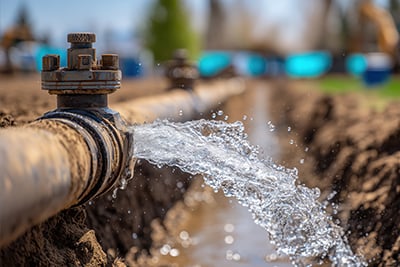 Pressure problems have many possible causes, from a failed regulator to a clogged line to a partially closed valve, and licensed diagnosis is what separates a real fix from a guess. Our Renton plumbers (Plumbing Lic. GREENCH741OS, HVAC Lic. GREENCH769NG) measure, isolate, and explain before recommending any repair.
Honest diagnosis and clear pricing for Renton homes, before any work begins.
If the weak flow is at one fixture, the cause is usually local: a clogged aerator, a worn cartridge, or a partially closed stop valve. If every fixture is weak, look to the main shutoff, the regulator, or the supply line. For Renton homes near the Lake Washington shoreline, a quick comparison between hot and cold water also helps, since weak hot water alone points toward the water heater or its piping.
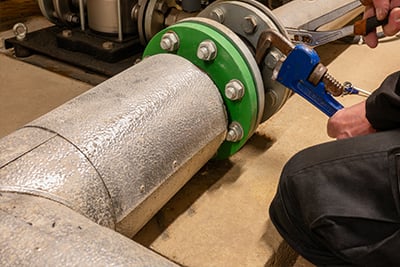 Healthy household water pressure generally sits in a moderate range, roughly 40 to 60 psi, and pressure much above 80 psi can stress fixtures, appliances, and supply lines. Many homes use a pressure-reducing valve near the main shutoff to keep incoming pressure in check, and that valve wears out over time. For Renton homes near the Boeing Renton plant, we test static and running pressure, inspect the regulator, and check for expansion tank and valve issues, so the repair matches the actual cause.
Pressure in Renton can differ from one street to the next depending on elevation and the utility’s supply system, which is why two neighbors near the Cedar River may see different readings. A gauge reading at your own hose bib is the only reliable way to know what your home actually receives, and it takes just a minute during a visit.
Fixing water pressure properly protects more than your shower. Correct pressure extends the life of the water heater, dishwasher, washing machine, and every supply line in the house. Greener Cleaner’s Renton plumbers measure before and after, so you can see the difference and know the repair worked.
We also serve nearby communities including Kirkland, Lynnwood, and Maple Valley. Dispatch is coordinated across these areas, so a technician already working nearby can often reach you faster than a scheduled appointment would suggest.
Weak showers or banging pipes? Greener Cleaner’s Renton plumbers measure first and fix the real cause.