
Why Heat Pumps Are Perfect for the Pacific Northwest Climate
Why Heat Pumps Are Perfect for the Pacific Northwest Climate
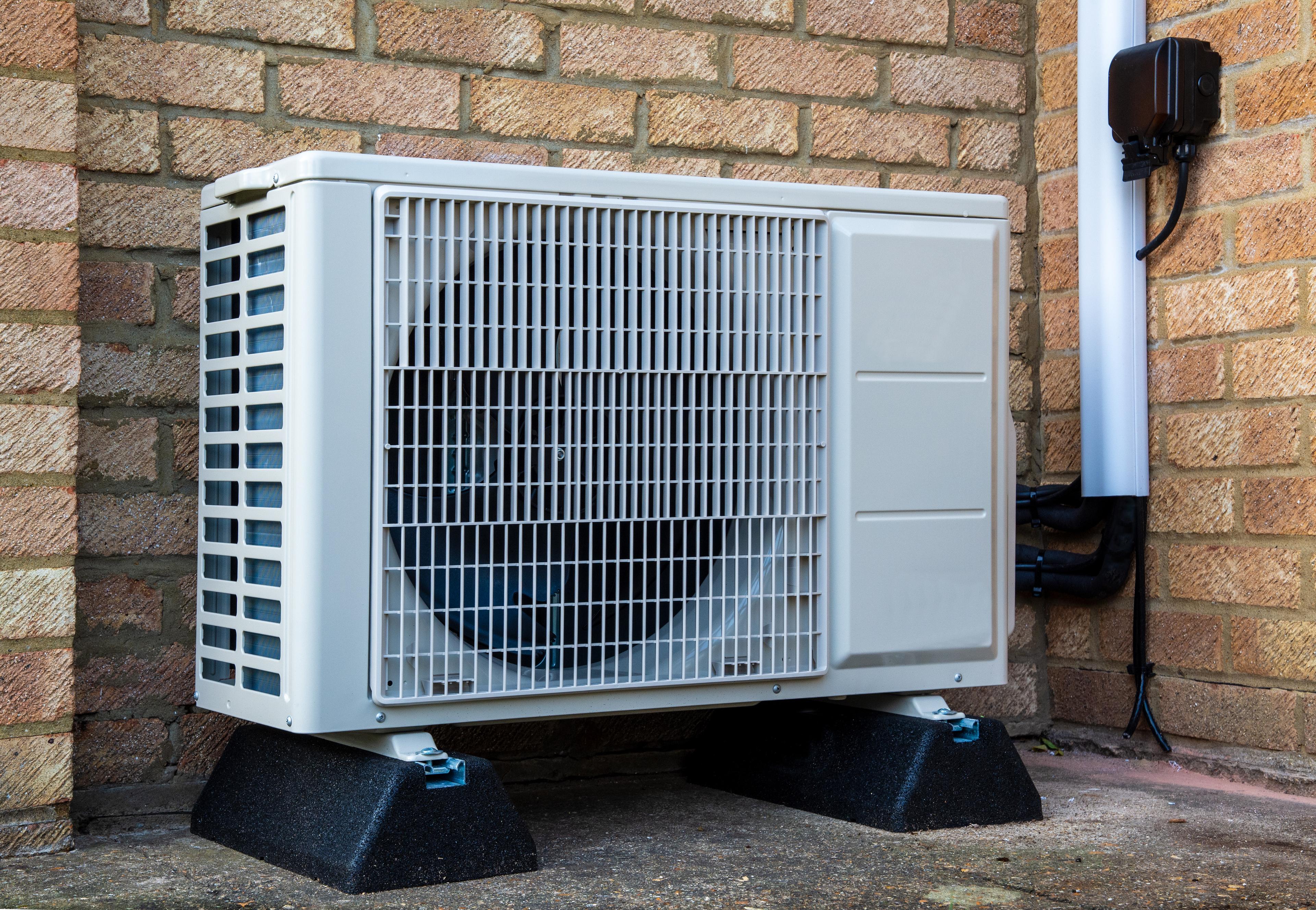
There are a few regions in North America that are as uniquely positioned to benefit from heat pump technology as the Pacific Northwest (PNW). With mild winters, increasingly warm summers, and a clean electricity grid, the PNW is a great match for an efficient, climate-friendly heating and cooling solution.
The PNW stretches from Seattle to Portland to coastal British Columbia, and homeowners across the region are embracing heat pumps as an all-season answer to comfort, cost savings, and sustainability.
Five Reasons Why Heat Pumps Are Perfect for the Pacific Northwest Climate
Here are five clear reasons why heat pumps are ideal for the PNW.
1. Heat Pumps Are an Ideal Fit for Mild Winters
The PNW enjoys relatively temperate winters. For example, Seattle's coldest month (December) averages around 39.6°F (4.2°C), with mean highs near 44.7°F and lows around 35.8°F. The region rarely experiences the deep freezes that can challenge conventional heating systems.
Air-source heat pumps transfer heat rather than generate it. They don't rely on combustion or electric resistance to create warmth — instead, they move heat from outside to inside. That's why their performance is exceptional in mild climates like Seattle's. In these conditions, heat pumps can be 300–400% efficient (COP of 3–4).
2. One System All Year Round
Historically, the PNW hasn't needed much air conditioning. Only 48% of Seattle homes have A/C (compared to roughly 91% nationally). Portland sits closer to 75%, while British Columbia is around 40%. For decades, natural ventilation was enough during the region's gentle summers.
But the climate is changing. In 2021, the "heat dome" shattered temperature records across Cascadia, and studies now predict similar events could happen every five to ten years by mid-century. Portland reached 105°F (about 23°F above normal) and Seattle hit 94°F — alarmingly high for the region.
Heat pumps solve this by working both ways:
- Winter: efficiently pull heat from outdoor air to warm your home.
- Summer: reverse the process to cool your home like a high-efficiency A/C.
That versatility eliminates the need for separate heating and cooling systems — one upgrade covers the entire year.
3. Efficient and Cost-Saving
Heat pumps aren't just good for the planet — they're also smart financially. Modern systems use about half the electricity of older baseboard heaters or resistance furnaces. Over time, that efficiency translates into meaningful cost savings without sacrificing comfort.
The Energy Efficiency & Sustainability Institute (EESI) notes that heat pumps "offer excellent opportunities for bill savings," especially in milder climates where they run efficiently throughout the year. They can outperform gas furnaces and remain effective even down to -10°C.
Heat pumps now account for more than half of new residential heating and cooling equipment sales in the U.S., and as adoption rises, costs continue to drop — making them more accessible for homeowners.
4. Clean Heat on a Clean Grid
The PNW is known for sustainability, and one of the strongest arguments for heat pumps here is how clean the region's electricity already is.
- Washington's electric grid is about 81% renewable, largely hydropower.
- British Columbia's grid is about 90% hydroelectric.
Switching from gas or oil furnaces to electric heat pumps can dramatically reduce a home's carbon footprint. It can also improve indoor air quality by removing combustion-related pollutants like nitrogen dioxide and carbon monoxide.
Buildings make up nearly 40% of U.S. energy use and about 30% of greenhouse-gas emissions — so electrifying home heating with heat pumps is a major step toward long-term climate goals.
5. Building a Climate-Resilient Home
Installing a heat pump is more than a comfort upgrade — it's part of building a climate-resilient future for the Pacific Northwest. Temperature extremes are becoming more common, summers are getting hotter, and homes need systems that can heat and cool efficiently using clean energy.
With the PNW's mild weather and hydro-powered grid, heat pumps help homeowners:
- Cut household energy use and emissions dramatically
- Save money compared to traditional heating systems
- Eliminate indoor combustion pollutants and improve air quality
- Stay comfortable year-round with one efficient system
- Strengthen resilience to both heat waves and cold snaps
The PNW Is Leading the Transition
The Pacific Northwest has been quick to embrace heat pumps. Roughly 25% of single-family homes in the region used a heat pump in 2022 — up from 15% in 2017. This rapid growth reflects rising customer awareness and strong regional support for electrification.
With cool, wet winters, increasingly hot summers, and abundant renewable electricity, the PNW is made for heat pumps. Homes here are naturally suited for air-source systems that thrive in mild climates, and incentives for cleaner heating are only getting stronger over time.
Whether you live in a craftsman home in Seattle, a condo in Portland, or a lakeside cottage in British Columbia, switching to a heat pump is one of the most impactful steps you can take toward cleaner energy, lower bills, and year-round comfort.